
 Sell Fries!
 Bunker vs Verity
 Facecard: Makeup Showdown
 Peel THE Potato
 Break and Steal an Egg
 Tap Simulator REBORN
 AION 2
 Chop A Forest
 Police Chief
 Prehistoric Farm
 Anime Zero
 Dandy's World
 Clash of Critters
 Illegal Soccer
 +1 Stone Skipping
 Jujutsu: Zero
 Blox Fruits
 Anime Vanguards
 Turbo Soccer
 Anime Dice
 Steal An Egg
 Murder Mystery 2
 Steal a Brainrot
 99 Nights in the Forest
 RIVALS
 Fish It!
 Jujutsu Shenanigans
 Pet Simulator 99
 Violence District
 DONT SPLASH
 Fisch
 Evade
 Animal Hospital (Anomaly)
 Anime Adventures
 Dress to Impress
 Climb For Animals Eggs
 Sol's RNG
 Bee Swarm Simulator
 Cameraman Tower Defense
 Volleyball Legends
 The Hollow
 Murderers VS Sheriffs: Duel
 +1 Speed Keyboard Escape
 DOORS
 Berry Avenue RP
 Kukirin Life
 Huss Valley
 Bike Universe
 Tower of Hell
 Ragdoll Reality
 LifeTogether RP
 Forsaken
 صيد الضبّان
 Emergency Hamburg
 Fling Things and People
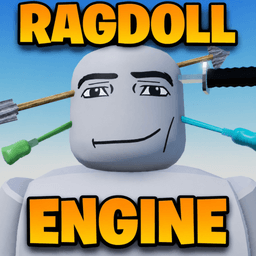 Realistic Ragdoll Engine
 Backseat Rally
 Fake an Egg
 +1 Venom Evolution
 Cat Battles
Realistic Ragdoll Engine: No Codes, Just a Good Physics Toy
A ragdoll sandbox with 32,000 players and zero codes. Here is what the solver actually does, and why most "codes" for it are script loaders.
Realistic Ragdoll Engine: No Codes, Just a Good Physics Toy
Realistic Ragdoll Engine launched on October 12, 2026 and picked up 32,000 concurrent players in under three weeks. It has no codes, and the search results for it are a strange mix of script loaders and pages describing a different, older game.
What the solver actually does
Most Roblox ragdoll experiences use a single joint setup and the result looks roughly the same whatever you do to it. This one keeps per-limb state: a hit registers on the specific body part you strike, and the breakage follows from that.
That is why clips of it look inconsistent with each other. Hitting a dummy in the shin produces a different result from hitting it in the shoulder, and the same hit produces a different result again when the dummy is already partially collapsed.
The three mechanics worth learning
Taser: stops a dummy in place, including one that is still crawling toward you. Useful for setting up a clean shot rather than chasing a moving target.
Revive: restarting a heart brings a dummy back up. This is the setup for the zombie behaviour — a revived dummy interacts with the others, and the contagion is what turns a quiet room into the chaos you see in thumbnails.
Industrial props: shredders, wrecking balls and drop heights all feed the same solver. The maps are built around showing off what it does under stress, so the props are the content, not the decoration.
Why the “codes” are usually scripts
Search this game and a good chunk of the results are not code lists at all — they are pages offering Lua loaders for script executors, dressed up with the word “codes” in the title for search traffic.
Two things identify them. First, the reward column names script functions (kill all dummies, ESP, noclip) rather than in-game items. Second, they never state where in the game you would type the string, because there is no such place.
They are also a malware vector, they violate Roblox’s rules, and they can get an account banned. Nothing here links to one.
The name collision to watch
There is an older, separate experience simply called Ragdoll Engine. Search results mix the two constantly, and neither game’s strings work in the other.
If you are checking whether a code is real, check the place ID: this game is 81230874545623. A list that does not name a place ID at all is not telling you which game it covers.
Redeem in 30 seconds
- 1Load in and walk up to a dummy. Hits register on the body part you strike, so aim for limbs rather than the torso if you want visible breakage.
- 2Use the taser on a downed dummy to see the electrical reaction; it also stops a dummy that is still crawling toward you.
- 3Find the revive tool. Restarting a heart brings a dummy back up, which is the setup for the zombie behaviour you see in clips.