
 Sell Fries!
 Bunker vs Verity
 Facecard: Makeup Showdown
 Peel THE Potato
 Break and Steal an Egg
 Tap Simulator REBORN
 AION 2
 Chop A Forest
 Police Chief
 Prehistoric Farm
 Anime Zero
 Dandy's World
 Clash of Critters
 Illegal Soccer
 +1 Stone Skipping
 Jujutsu: Zero
 Blox Fruits
 Anime Vanguards
 Turbo Soccer
 Anime Dice
 Steal An Egg
 Murder Mystery 2
 Steal a Brainrot
 99 Nights in the Forest
 RIVALS
 Fish It!
 Jujutsu Shenanigans
 Pet Simulator 99
 Violence District
 DONT SPLASH
 Fisch
 Evade
 Animal Hospital (Anomaly)
 Anime Adventures
 Dress to Impress
 Climb For Animals Eggs
 Sol's RNG
 Bee Swarm Simulator
 Cameraman Tower Defense
 Volleyball Legends
 The Hollow
 Murderers VS Sheriffs: Duel
 +1 Speed Keyboard Escape
 DOORS
 Berry Avenue RP
 Kukirin Life
 Huss Valley
 Bike Universe
 Tower of Hell
 Ragdoll Reality
 LifeTogether RP
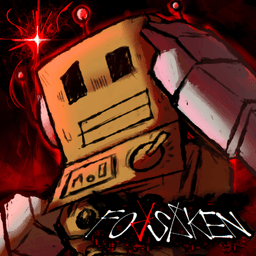 Forsaken
 صيد الضبّان
 Emergency Hamburg
 Fling Things and People
 Realistic Ragdoll Engine
 Backseat Rally
 Fake an Egg
 +1 Venom Evolution
 Cat Battles
Forsaken Has No Codes: What Its Reward Loop Actually Is
Forsaken has 40,000 players and zero codes. Here is where Player Points come from, why every code list is fake, and what a real launch would look like.
Forsaken Has No Codes: What Its Reward Loop Actually Is
Forsaken pulls around 40,000 concurrent players and has never issued a single redeemable string. Those two facts sit next to each other comfortably once you look at how the game pays people: the loop is complete without codes, which is exactly why the developers have never needed to add one.
The fake lists have a fingerprint
Search Forsaken codes and the pages you land on fall into two families, and both are identifiable without opening the game.
The first family lists strings like NOSFERATU, ALPHA and SURVIVOR, with rewards measured in Bloodpoints and a redeem path that says “open the Store, find the Redeem Code tab in the top right”. Bloodpoints and the Bloodweb are Dead by Daylight systems. Forsaken has neither. That whole family was assembled from a Dead by Daylight article and then re-skinned with Forsaken’s name.
The second family gives you rerolls, clan rerolls, height rerolls and eye colour rerolls, tied to a “30 minutes playtime” requirement. Forsaken has no reroll currency of any kind, and no playtime gate on anything. Those lists describe a gacha.
Where points actually come from
The whole economy runs on Player Points, and the wiki documents the rates:
Surviving to the end of a round as a survivor pays 25 points and 120 EXP. Dying after the 60-second mark still pays 10 points — the game does not punish a bad round. As killer, each elimination pays 10 points and 45 EXP, and eliminating everyone before the timer runs out pays 40 for the wipe.
A mid-rarity shop item costs a few hundred points. Running the daily loop reliably clears one per week without spending Robux, and that is the intended pace.
The event layer does the job codes would do
Roblox games usually reach for codes at three moments: launch, a milestone, and an apology after downtime. Forsaken covers all three with event content instead.
Seasonal events run their own currencies — Sukkars, Gingerbread, Tix — that buy limited skins while the event is live and then stop mattering. Collaboration badges work the other way round: earn one in Isle, Tower Defense Simulator, Flood Escape 2, The Battle Bricks or Retro Tower Defense, and the next time you join Forsaken the corresponding skin is already unlocked.
That is a re-engagement system with better retention properties than a code drop, and it explains why nobody on the team has looked at a promo box in two years.
The two signals worth watching
If a real code system ever ships, it will be visible in two places at once: a Redeem button on the main menu rather than buried inside a submenu, and a CODES: line in the Roblox game description. Either one alone is not enough — the button could be a different feature, the description line could be a leftover.
Until both show up, the honest answer to “Forsaken codes” is that the search itself is the problem, not the list you find.
Redeem in 30 seconds
- 1Play public rounds. Surviving to the end pays 25 Player Points and 120 EXP; dying after the 60-second mark still pays 10 points.
- 2Play killer. Each elimination pays 10 Player Points and 45 EXP, and wiping the lobby before the timer pays 40.
- 3Claim event currencies while their event runs — Sukkars, Gingerbread and Tix each buy limited skins during their own seasonal window.